Optimal Timing for Windows Installations
Determining the best time for Windows installations involves considering factors such as system readiness, workload schedules, and seasonal availability. Installing Windows during periods of low activity can minimize disruptions and ensure proper setup. Additionally, planning installations during times with fewer technical support demands can lead to smoother transitions.
Ensure hardware and software compatibility before scheduling an installation to prevent delays and technical issues.
Choose times when work demands are lower to reduce operational impact during the installation process.
Off-peak seasons often offer better availability of technical support and resources.
Align installations with update release cycles to benefit from the latest features and security patches.

A technician performing a Windows setup on a desktop.

A calendar marked with planned installation dates.

Hardware components being checked prior to installation.
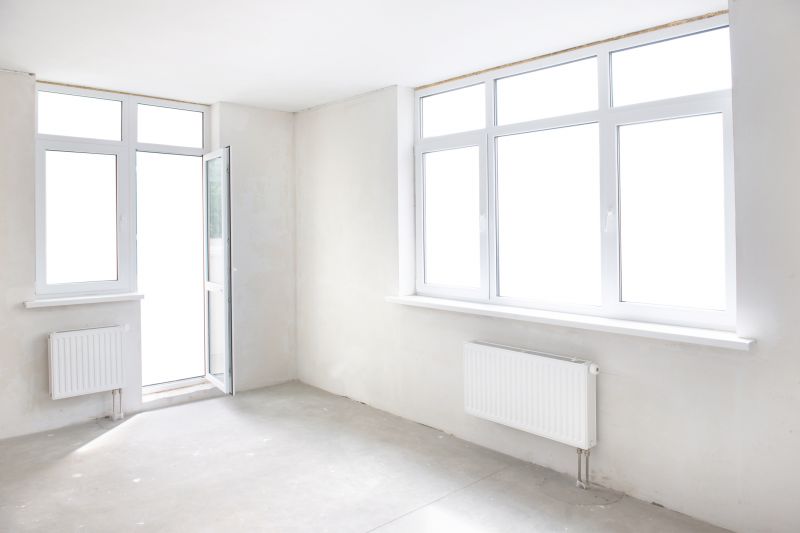
Ways to make Windows Installations work in tight or awkward layouts.

Popular materials for Windows Installations and why they hold up over time.

Simple add-ons that improve Windows Installations without blowing the budget.
| Best Time Factors | Details |
|---|---|
| Low Activity Periods | Schedule during times of minimal business operations to reduce downtime. |
| Off-Peak Seasons | Consider seasons with fewer scheduled upgrades or system changes. |
| Support Availability | Ensure technical support is readily accessible during the installation window. |
| Update Releases | Coordinate with software update cycles for optimal results. |
| Maintenance Windows | Utilize pre-approved maintenance periods for seamless installation. |
Windows installations are a critical aspect of maintaining system security, performance, and compatibility. Proper planning and timing can minimize operational disruptions and ensure that systems are up-to-date with the latest features. Statistics indicate that scheduling during low-demand periods can reduce installation time by up to 30% and decrease user downtime significantly.
Advanced planning for Windows installations involves assessing hardware capabilities, ensuring backup procedures are in place, and coordinating with support teams. Regularly scheduled updates and installations contribute to system stability and security compliance, making timing an essential consideration for IT efficiency.

Technician installing Windows on a server.

IT professionals providing support during installation.

High-end options that actually feel worth it for Windows Installations.

Finishes and colors that play nicely with Windows Installations.

A user configuring Windows settings after installation.

Little measurements that prevent headaches on Windows Installations day.

A 60-second routine that keeps Windows Installations looking new.
Interested parties are encouraged to contact for scheduling Windows installations at a time that aligns with operational needs. Proper timing ensures a smooth transition, minimizes downtime, and maximizes system efficiency.